
The Story of Nova Scotia's Eileen Richardson Missions Trip to the Philippines
 By
By
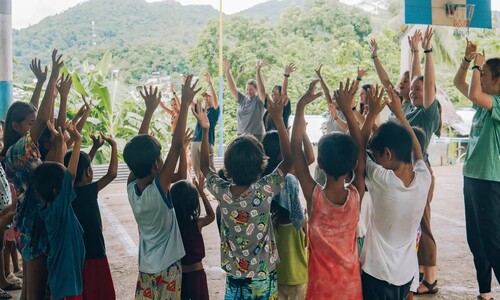
In June 1999, Eileen Richardson, accompanied by a handful of adults and four young members from her Nova Scotia church, travelled to the Philippines on a missions trip. Their goal was to provide both medical and spiritual support to communities dealing with significant hardships. The trip was personal for Eileen because she had visited some of these communities previously and wanted to strengthen the bonds she had formed. The first stop was an orphanage Eileen had visited on earlier trips. Improvements were immediately visible. The yard had been cleaned, sliding glass doors installed, and mattresses now had covers. Small changes were making a tangible difference. “Seeing these improvements reminded me that progress, even when gradual, matters a lot,” said Eileen. A boy named Emmanuel, who remembered Eileen from previous visits, became the focus of her attention that day. “The moment he recognized my voice, he crawled right to me,” she recalled. Eileen spent the afternoon holding Emmanuel, singing softly to him, and feeding him supper. She tucked him into his cot for the night, feeling the strong connection that had blossomed over repeated visits. While Eileen focused on caring for him, the rest of the church team divided themselves between babies, toddlers, and outdoor play with older kids. Both groups experienced the mutual joy of human connection, highlighting the emotional needs of the children and volunteers. The second day took the team to a medical clinic in a community on the outskirts of Angeles City. Many families lived under a bridge in unfinished cement-block homes, lean-tos, and tin-roofed structures along dusty tracks. The church team partnered with local Bible school students and staff to provide essential medical care. Medical conditions were widespread. Open sores, conjunctivitis, and minor injuries were common. One baby had crawled through an ant nest, leaving painful marks on his legs. Volunteers treated wounds with peroxide and iodine and applied colourful band-aids to comfort the children. Dental hygiene presented another challenge. Many children had yellowed or decayed teeth, and older adults had missing teeth. A young woman with a tiny gold heart on her front tooth was a rare sight, a small symbol of care in a community with limited resources. Eileen documented the work through photography for MAP International, the organization supplying the medicines. “Capturing these moments helped us share the resilience and dignity of these communities with the world. It also reminded our team that even small acts of service matter,” she said. Prayer was an important part of the clinic. After registering, each attendee moved through prayer teams before receiving medical treatment. These moments offered spiritual support alongside medical care, providing hope in the midst of struggle. Volunteers witnessed how prayer and attention could lift spirits and offer comfort to people who faced daily hurdles that many could not imagine. The experience left a profound impact on the volunteers. The team saw the reality of poverty and the strength of communities thriving despite hardship. They learned that the presence of caring individuals could foster dignity, hope, and human connection. Eileen reflected on the personal lessons of the trip. “We realized the importance of human connection. Even a small group can make a difference. Seeing the resilience of these families reminded us why mission work matters, not just for those receiving help, but for those giving it as well.” By the end of their trip, the volunteers had witnessed both the hardships and the perseverance of the Filipino communities they served. Children who had few resources received care and attention, families felt supported, and volunteers left with a renewed sense of purpose. The trip illustrated that hope and healing come from consistent acts of kindness and compassion instead of grand gestures. Eileen Richardson’s mission trip to the Philippines remains an example of how dedication, empathy, and human connection can leave lasting effects. The bonds formed, the lives touched, and the hope renewed continue to inspire both those who serve and the communities they serve.