
From Crime Prevention To Mass Control: The Dark Side Of Facial Recognition
 By PNW Staff April 02, 2025
Share this article:
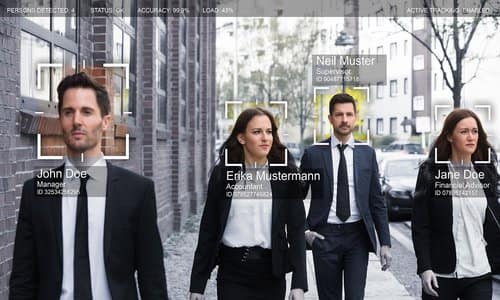
Imagine walking down the street, minding your own business, when a camera on a lamppost scans your face. Within seconds, an algorithm checks your identity against a database. Maybe you're flagged as a match for someone the police are looking for, or maybe your image is stored for future reference without you even knowing. Sound like something out of a dystopian sci-fi movie? Think again. This is happening right now, and it's only going to become more widespread.
Facial recognition cameras are popping up everywhere--at airports, train stations, shopping centers, and even outside your local grocery store. Governments and businesses claim these cameras help fight crime and keep people safe, but at what cost? The real question we should all be asking is: Who controls this technology, and what happens if it falls into the wrong hands?
The Promise of Facial Recognition
Let's start with the good stuff. No one wants criminals running free, and facial recognition can be a powerful tool for law enforcement. In London, the Metropolitan Police are installing permanent live facial recognition cameras, catching wanted criminals in real time. Over 200 people have already been arrested using this technology. In theory, this should make us all safer.
Retailers are also jumping on board. The British supermarket chain Asda is testing facial recognition in five Manchester stores to stop shoplifters. The idea is simple: If a known thief walks in, the system alerts security within seconds. No more waiting for blurry CCTV footage to be analyzed after the fact--criminals are caught on the spot.
Sounds great, right? But here's where things get complicated.
The Dark Side of Facial Recognition
What happens when the same technology is used to monitor people for reasons that have nothing to do with crime? In some cases, private groups have already used facial recognition to identify and report student protesters, putting their futures at risk. What if this technology was used to track your political views, religious beliefs, or even your shopping habits?
Think about it: If a camera can recognize a thief entering a store, it can also recognize you. Maybe it's harmless at first--just targeted ads based on your shopping history. But what if one day it's used to deny you entry to certain places based on your past behavior or associations? What if it's used to track every move you make in public?
In China, facial recognition is already being used to monitor citizens in ways that go far beyond crime prevention. People's faces are scanned in subways, schools, and even public restrooms. In some cities, jaywalking can result in an automatic fine, charged directly to your digital wallet. You don't get to argue your case--the system has already judged you. Could this kind of automated control spread to other countries? Absolutely.
The Slippery Slope of Mass Surveillance
The biggest problem with facial recognition isn't just how it's being used today--it's how it could be used in the future. Right now, you might not care if cameras are scanning faces to catch criminals. But what if those same cameras were used to track protestors, journalists, or anyone critical of those in power? What if your face was stored in a database without your permission, accessible by governments or corporations you don't trust?
Even in democratic countries, oversight is often weak. In the U.S., there's no national law regulating facial recognition. Some police departments use the technology freely, often without warrants. In the UK, privacy groups are sounding the alarm, warning that these cameras could be misused. But so far, the push for more surveillance keeps winning.
Why This Should Matter to You
You might think, "I have nothing to hide, so why should I care?" But privacy isn't about hiding--it's about control. If facial recognition becomes a standard part of life, we lose the ability to move through the world without being tracked. Maybe you trust your government now, but what about in ten years? What if a new law allows all this data to be sold or shared? What if an error in the system gets you flagged as a criminal by mistake? These aren't just hypotheticals--they're real risks.
Once a surveillance system is in place, it's nearly impossible to roll back. The more normalized it becomes, the less we question it. That's why it's crucial to ask questions now: Who is watching? Who has access to this data? What safeguards are in place? If we don't demand answers, we might wake up one day in a world where privacy is a thing of the past.
Facial recognition is a powerful tool, but it's also a dangerous one. In the hands of responsible authorities with clear oversight, it can help fight crime. But in the wrong hands, it's a weapon for mass surveillance and control. If we don't take the risks seriously, we may find ourselves living in a society where being watched is just a fact of life.
So next time you walk past a camera, ask yourself: Is it watching for your safety--or for someone else's control? And more importantly, who decides?