
Common Types of Highway Crashes and How to Prevent Them
 By
By
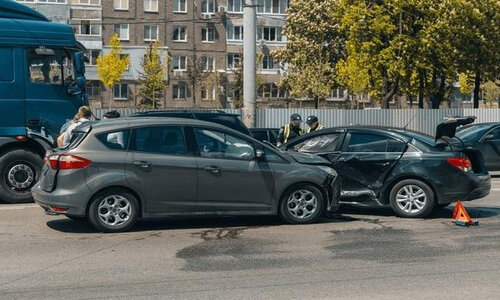
Highways help people travel long distances quickly and efficiently. Because vehicles move at high speeds, even small mistakes can lead to serious accidents. Many crashes happen every day due to speeding, distraction, or poor driving decisions. If you or a loved one has been injured in a highway accident, understanding how these crashes happen can help you stay safer in the future. Most highway accidents are preventable. By knowing the most common types of crashes and learning simple ways to avoid them, drivers can reduce risks and protect themselves and others on the road. Rear-End Accidents Rear-end crashes happen when one vehicle hits the back of another. These accidents are very common on highways, especially during traffic slowdowns. They usually happen because a driver is following too closely, speeding, or not paying attention. How to Prevent Them: Leave enough space between your car and the one in front of you. A good rule is to stay at least three seconds behind. Pay attention to traffic ahead and avoid distractions like texting or eating while driving. Multi-Car Accidents (Pileups) Multi-car crashes involve several vehicles and often happen in bad weather or heavy traffic. Fog, rain, snow, or ice can make it hard to see and stop in time. One crash can quickly turn into many. How to Prevent Them: Slow down when weather conditions are bad. Turn on your headlights so others can see you. Increase your following distance and stay alert for sudden stops. Lane-Change and Merging Accidents These accidents happen when drivers change lanes or merge without checking carefully. Failing to use turn signals or not looking in blind spots can cause crashes. Motorcycles and smaller cars are especially at risk. How to Prevent Them: Always use your turn signal before changing lanes. Check your mirrors and look over your shoulder for blind spots. Take your time and avoid rushing when merging into traffic. Speeding Accidents Speeding is a major cause of serious highway crashes. Driving too fast makes it harder to stop, turn, or react to sudden problems. High speeds also make injuries much worse when accidents happen. How to Prevent Them: Follow speed limits and adjust your speed based on traffic and weather. Arriving a few minutes later is safer than risking your life. Use cruise control carefully and stay focused. Distracted Driving Accidents Distracted driving happens when a driver is not fully focused on the road. Common distractions include texting, using GPS, eating, or talking on the phone. At highway speeds, a few seconds of distraction can be deadly. How to Prevent Them: Put your phone away while driving or use hands-free features if needed. Set up your music and navigation before you start driving. Keep your eyes on the road and hands on the wheel. Drowsy Driving Accidents Driving while tired is very dangerous. Fatigue slows reaction time and makes it harder to concentrate. Long trips, late-night driving, and lack of sleep increase the risk of falling asleep behind the wheel. How to Prevent Them: Get enough sleep before driving long distances. Take breaks every couple of hours. If you feel sleepy, pull over and rest or switch drivers if possible. Wrong-Way Accidents Wrong-way crashes happen when a vehicle enters the highway going the wrong direction. These accidents are rare but extremely dangerous. Alcohol, drugs, and confusion at exits are common causes. How to Prevent Them: Pay attention to road signs, especially at night. If you see a vehicle driving the wrong way, slow down, move to the right, and call emergency services when safe. Truck-Related Accidents Large trucks are common on highways and can cause serious damage in a crash. Trucks need more time to stop and have large blind spots. Accidents can happen if drivers cut off trucks or drive too close. How to Prevent Them: Give trucks plenty of space. Avoid driving beside them for long periods. Never cut in front of a truck suddenly, and be patient. Key Takeaways Rear-end crashes often happen due to tailgating and distractions. Bad weather increases the risk of multi-car accidents. Always check blind spots and use signals when changing lanes. Speeding makes accidents more likely and more dangerous. Distracted and tired driving are major causes of highway crashes. Defensive driving and attention can prevent many highway accidents.