
5 Years Hard Labor Sentence For Defending The Faith Online
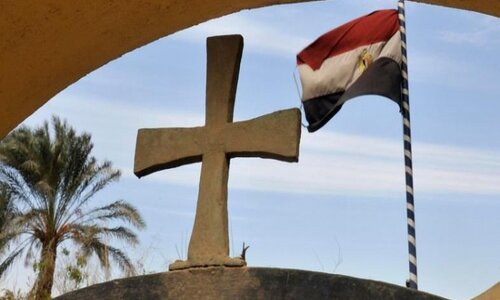 By PNW Staff January 19, 2026
Share this article:
In January 2026, Augustinos Samaan, a 37-year-old Coptic Christian and scholar of comparative religion, was sentenced to five years of hard labor in Egypt -- not for committing a crime, but for defending his faith.
Through his YouTube channel, with over 100,000 subscribers, Samaan peacefully discussed Christian beliefs, countered anti-Christian narratives, and sought to educate rather than provoke. Yet the government saw his faith as a threat and his online presence as a crime.
Samaan's arrest was swift and brutal. Masked officers stormed his home in the early morning hours, confiscating his books, laptop, and personal papers. He was accused of "joining a terrorist organization" and "spreading false news" before the charges were quietly altered to "contempt of religion."
Even the legal process was designed to intimidate: he was tried without notifying his family or lawyers, and his defense has had no real access to the case files. Justice, in this instance, was little more than a performance -- a warning to anyone daring to speak openly about their faith.
This case is not an isolated tragedy. Across Egypt and many other nations where Islam dominates public life, Christians face the daily reality of persecution, especially those who have left Islam or speak out in defense of their faith. Blasphemy and apostasy laws are wielded less as tools for maintaining harmony than as instruments to silence minority voices.
Expressing one's beliefs peacefully, educating others, or challenging prevailing narratives can lead to harassment, imprisonment, and even death. Faith becomes an act of courage, each word spoken a quiet rebellion against fear.
Samaan's ordeal is a reminder of how fragile religious freedom can be when it is conditional. On paper, Egypt's constitution guarantees freedom of belief and expression. In practice, those rights are subordinated to laws protecting the majority faith, leaving minorities like the Copts vulnerable to discrimination and abuse. The result is a system where Christians must navigate not only societal prejudice but also a legal landscape that can punish them for existing.
The courage of people like Samaan cannot be overstated. He stands among countless others who refuse to hide their faith despite overwhelming pressure to conform or remain silent. His sentence is intended to break him, to send a message that defending Christianity is dangerous.
Yet, history shows that persecution rarely extinguishes belief -- it often strengthens it. For every Christian silenced, there are countless more inspired to continue speaking, teaching, and living boldly in the light of their convictions.
Beyond the personal tragedy lies a global lesson. Samaan's sentence challenges all of us to confront uncomfortable truths: Do we truly value religious liberty, or only when it is convenient? Are we willing to speak out when injustice occurs in nations tied to strategic alliances, economic interests, or political expediency? Faith, courage, and the right to express belief should never be conditional on geography or politics.
Augustinos Samaan's story is more than a case of injustice in Egypt; it is a stark reminder of the ongoing struggle for freedom of conscience worldwide. Christians, particularly those who leave Islam or challenge dominant religious narratives, continue to pay a high price for their faith. And yet, even behind prison walls, the human spirit proves resilient. Faith persists where fear seeks to dominate. Courage shines in the shadows. And hope -- though tested -- refuses to be silenced.