Is Consumer Doomspending Keeping The US Economy Afloat?
 By Patrice Lewis/WND News Center October 19, 2024
Share this article:
If you've ever wanted to watch a lighthearted RomCom flick about over-consumption, I recommend "Confessions of a Shopaholic," based on the amusing book series by Sophie Kinsella. As the name implies, the story follows the shopping exploits of Rebecca Bloomwood as she gives in, over and over, to her manic urge to shop.
Of course, you know what happens - she gets in over her head. Seriously over her head. Even when she finds herself unemployed, she can't help but spend money on an expensive designer scarf for no other reason than she wants it, and goes through ridiculous mental gymnastics to justify the purchase.
Unfortunately, the mythical Rebecca Bloomwood has her real-life counterparts in a trend that's gaining momentum, mostly among the younger generation. I refer to the bewildering practice of "doomspending," possibly one of the most illogical and dangerous personal financial habits anyone can adopt in an uncertain economy.
So-called retail therapy has been around forever, of course, defined as "shopping with the primary purpose of improving the buyer's mood or disposition." But doomspending has a darker side: Fear. For younger people trapped in a cycle of student-loan debt and with very little hope of home ownership or other milestones of adulthood, flippant spending seems justified in their minds.
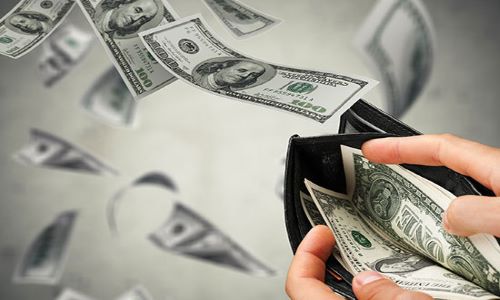
Priced out of the housing market, smacked with high inflation, plagued with stagnant or low wages, and facing skyrocketing rent prices, many of these doomspenders feel the only joy to be had is at the business end of a credit card. Everything from daily lattés to designer handbags is put on plastic as a temporary fix to the financial hopelessness they feel.
As one article put it, "Rather than forgoing the unnecessary but amazing sunglasses, doomspending whispers: Buy them. The sunglasses will look great today, tomorrow, and the next day; saving the cash won't help you buy a house in this market or even make a dent in your retirement savings. Everything is on fire, but at least your outfit is fire, too."
The irony, of course, is doomspending is usually done by the very people who can afford it the least. But, like an alcoholic justifying another drink, doomspenders justify buying the latest gadget because they deserve something nice to alleviate the financial stress they're under.
Doomspenders tend to have several common characteristics: pessimism (hence the "live for today" mentality), lack of control (actively spending gives them something tangible they can control), impulsiveness (which offers emotional release) and even a hyper focus on mortality (to maximize pleasure in whatever time they have left).
It's a form of self-medicating, the same as with drugs or alcohol. Doomspenders feel hopeless about the future and are putting temporary (and pricey) Band-Aids over the pain. But eventually, the piper must be paid, and it will be a very painful process. Not one single doomspender is unaware of this reality, but they do it anyway. It's a type of primal coping behavior. Eat, drink and be merry, for tomorrow we die.
From sociopolitical commentary to romance writing! Patrice Lewis branches into the world of Amish inspirational fiction. These clean romances are wholesome enough for Grandma to read. Check out Patrice's available titles.
And yet as foolish as doomspending is, it's nothing new. This article notes, "Early origins can be traced to the world wars of the 20th century. Facing profound threats to normalcy and even survival, heightened anxieties manifested for many as living life to its fullest in the moment, consequences be damned. Partying, drinking and selfish luxuries surged during wartimes despite resource rationing and hardship."
But there's an enormous difference between doomspending during earlier generations and doomspending today: Credit cards. In previous eras, there was only so much debt an individual could acquire before he was shut down by irate creditors. Today, people have the option to sink themselves into debt to depths seldom seen by earlier generations.
"By the 1980s and the dawn of modern consumer credit systems," the article continues, "average households gained purchasing power facilitating doomspending habits previously reserved for the wealthy. Anxieties over the Cold War nuclear threat conveniently justified retail indulgences and credit card swiping sprees even for middle-income families." Online shopping merely exacerbates the issue.
This article speculates doomspending is what's keeping the economy afloat: "There is another little-known social factor beyond inflation that might help explain why retail spending hasn't completely collapsed despite most major indicators showing the U.S. entering a recession with shades of stagflation. ... A certain subset of consumers are engaging in a counterintuitive trend called 'Doom Spending.' ...
Keep in mind, this debt is accumulating under much higher interest rates than before the pandemic, and the money is buying less because of inflation. The mindset makes no sense. It's actually digging Americans further into poverty with inevitably more stress and depression attached, but that's probably why they call it 'doom spending.'"
And of course, this comes at a time when the average rate on interest-bearing credit card accounts just hit a truly usurious record high of 23.37%. As with student-loan debt, this is one of the reasons credit card debt is often the debt that never dies. You might still be paying for the gewgaw you charged today 20 years down the road.
The article notes "that almost 30% of the U.S. consumer population has no plans to prepare for the future and is incapable of mentally adapting to sour financial conditions. In other words, they refuse to take responsibility for their own personal survival." Unfortunately there is only so much more credit card maxing out that can take place before reality finally sets in.
So when the Democrats claim the economy is roaring, consider the historical precedent of when doomspending takes place: during times of extreme financial stress and an uncertain economic future. Even Gallup notes, "The economy ranks as the most important of 22 issues that U.S. registered voters say will influence their choice for president."
Something to think about as we head into the election.
Originally published at WND News Center