Online Loans: A Comprehensive Overview Body
 By
By
The financial landscape in Sri Lanka has been profoundly changed with the introduction of online loans which have become indispensable parts of it, as they offer an easy and efficient way for borrowing for both individuals and companies. These developments result from technological improvements, increased internet connectivity and a greater demand of quick and simple monetary remedies. This paper investigates different dimensions of online loans in Sri Lanka such as kinds, advantages, limitations as well as regulatory framework involved.
Types of Online Loans
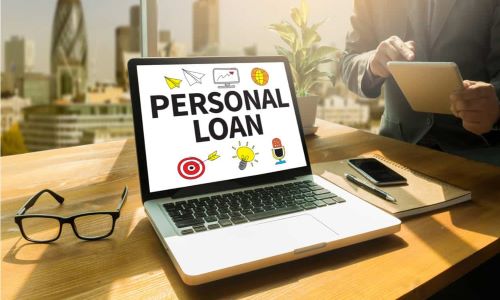
- Personal Loans: Personal loans are the most common type of online loans in Sri Lanka. These loans are typically unsecured and can be used for a variety of purposes such as medical emergencies, education, travel, and home improvements. The loan amounts and interest rates vary based on the borrower’s creditworthiness and the lending institution’s policies.
- Business Loans: Online business loans cater to the financial needs of small and medium-sized enterprises (SMEs). These loans can be used for expanding operations, purchasing equipment, or managing cash flow. Business loans often require a more detailed application process, including the submission of business plans and financial statements.
- Payday Loans: Payday loans are short-term loans designed to provide immediate cash flow to individuals until their next paycheck. These loans are typically small in amount and come with higher interest rates due to their short-term nature and quick approval process.
- Microfinance Loans: Targeting low-income individuals and small businesses, microfinance loans provide small amounts of capital with relatively easy terms. These loans are crucial for promoting financial inclusion and supporting entrepreneurial activities in underdeveloped areas.
Benefits of Online Loans
- Convenience: One of the primary advantages of online loans is the convenience they offer. Borrowers can apply for loans from the comfort of their homes without the need to visit a physical bank branch.
- Speedy Processing: Online loan applications are processed much faster compared to traditional methods. Many lenders offer instant approvals and disbursements, which is beneficial during emergencies.
- Accessibility: Online loans are accessible to a wider audience, including those in remote areas. This accessibility is enhanced by the increasing penetration of smartphones and internet services in Sri Lanka.
- Transparent Processes: Many online lenders provide clear and transparent information about interest rates, fees, and repayment terms. This transparency helps borrowers make informed decisions.
Challenges and Risks
- High Interest Rates: Some online loans, particularly payday loans, come with high interest rates and fees. Borrowers need to carefully evaluate the cost of borrowing to avoid falling into debt traps.
- Fraud and Scams: The online lending space can be susceptible to fraud and scams. Borrowers should ensure they are dealing with reputable and licensed lenders to protect themselves from fraudulent activities.
- Data Security: With the increase in online transactions, data security becomes a critical concern. Lenders must implement robust security measures to protect borrowers’ personal and financial information from cyber threats.
- Limited Financial Literacy: A significant portion of the population may lack the financial literacy needed to fully understand the terms and conditions of online loans. This can lead to poor financial decisions and over-indebtedness.
Regulatory Environment
The regulatory framework for online lending in Sri Lanka is evolving. The Central Bank of Sri Lanka (CBSL) plays a crucial role in overseeing financial institutions and ensuring consumer protection. Key regulatory measures include:
- Licensing and Supervision: Online lenders must obtain the necessary licenses from the CBSL and comply with regulatory standards to operate legally.
- Consumer Protection: Regulations aim to protect consumers from unfair practices, ensuring transparency in terms of interest rates, fees, and repayment conditions.
- Anti-Money Laundering (AML) and Know Your Customer (KYC): Lenders are required to implement AML and KYC protocols to prevent illegal activities and ensure the legitimacy of transactions.
Conclusion
Online
loans in Sri Lanka represent a significant shift towards a more digital
and inclusive financial system. While they offer numerous benefits such
as convenience, speed, and accessibility, borrowers must navigate
challenges like high interest rates and potential fraud. As the sector
grows, robust regulatory frameworks and increased financial literacy
will be crucial in maximizing the positive impact of online lending
while mitigating associated risks. For both lenders and borrowers, the
future of online loans in Sri Lanka looks promising, provided they adapt
to the dynamic financial environment responsibly.