Edinburgh Has Become A Travel Hub
 By
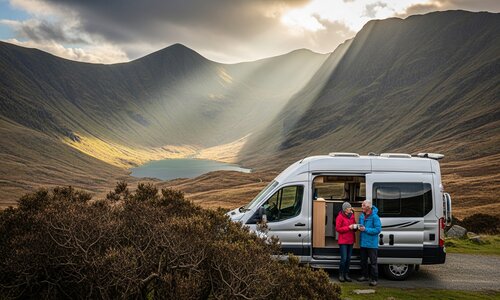
Edinburgh is becoming a hub for people travelling through Scotland and the United Kingdom with a self-drive campervan. As travelers’ preferences are changing towards flexible and experience-based travel, industry observers are seeing the road-based tourism market grow in popularity and interest, offering travelers the opportunity to tour places other than the traditional city break and package tour. This has made the Scottish capital a popular travel destinations for millions of domestic and foreign tourists annually; for centuries, it has been one of the most visited cities in the UK. Many visitors travel to Edinburgh to see its historic buildings, festivals, and its iconic landmarks; however, today Edinburgh has a new purpose: as a starting point to travel further into Scotland's countryside and seaside. There are a number of reasons cited by tourism professionals for this trend. Passengers want more flexibility and freedom over their journeys, to go to places they may not have heard of and visit at their own speed. It is similar to campervan travel, which allows you to reach places that are further away than you can by other modes of transport. The huge network of scenic routes in Scotland has also increased the popularity of self-drive holidays. Travelers interested in outdoor recreation, cultural history and nature-based experiences have taken note of the routes and paths that include the North Coast 500, South West Coastal 300 and other Highland touring circuits. These are the places where tourist traffic is not prevalent and where you can find the historic villages, coastal communities, national parks and heritage sites. Travel authors have also seen an increase in requests for travel experiences that focus on authenticity and immersion. Instead of taking a single holiday to an urban location, many travellers are opting for multi-stop holiday packages that cover different urban and rural locations. The city of Edinburgh is well connected, with its international airport and roads, providing a convenient starting point for these journeys. This pattern has been reinforced by the growing changes in travel behaviour that occurred in recent years. Hiking, solo travels, and extended trips around the region are some of the most popular outdoor pursuits these days, and travelers are also looking for more autonomy in their trips. This growing emphasis on travel & knowledge has encouraged people to seek experiences that combine exploration with learning, whether through discovering new cultures, understanding local histories, or gaining practical travel skills. As a result, it has helped to maintain interest in the campervan industry in the UK and Europe. In Scotland, the campervan sector has responded to this demand by increasing rental availability, visitor information, and informing visitors of responsible tourism practices. Industry participants continue to remind visitors of the significance of sustainable travel, reminding them to take care with their travels, respect local communities, adhere to eco-tourism guidelines, and use designated camping facilities. Domestic travellers show the same trend by choosing to travel independently. Tourism is becoming more popular in Scotland, with many campers visiting areas that they hadn't previously visited, benefiting the local economy and the economy of Scotland as a whole. This is part of an increasing trend of travellers valuing regional travel experiences and Scotland's varied geography. If you're looking to start your campervan adventure from Edinburgh, there are a few campervan rental companies in the area. One of these is Bunk Campers which provides campervan hire services from the Scottish campers and is used by people looking to travel around Scotland and the UK. For more information check out bunkcampers.com. With changing travel habits, it is probable that Edinburgh's importance as a hub for self-drive travel will grow. The City is becoming an even more popular departure point for visitors to explore Scotland and beyond by flexible routes, scenic journeys, and immersive regional experiences.